
Wine is the New Luxury Experience
LIFESTYLE
Maeva Chiriatti, Giulia Maggi
5/9/20263 min read
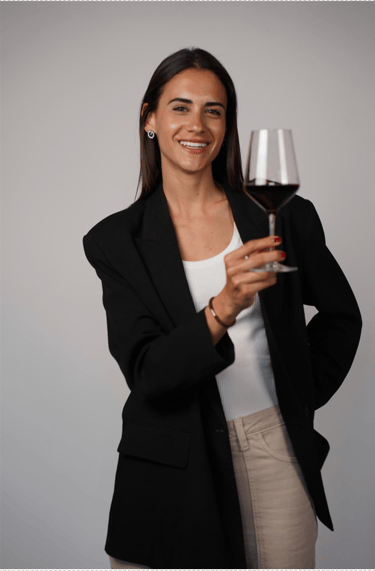
Wine tasting has a history that goes back in time very far. Its roots date back to Ancient Greece and Rome, when wine played an important role in social events. This act turned out to become something rather luxurious throughout the years. Wine tasting in countries like Italy or France turned into an extremely sophisticated process, from studying the colors to discovering the perfect balance of flavours. A practice which has traditionally been for experts has now opened up to a much wider audience.
Modern times can be considered a period of renaissance for wine tasting, which has acquired an extra value today among the younger generation. It is no longer seen as strictly professional but as a social, creative, and even “Instagrammable” phenomenon. Young people are not just drinking wine, they are looking for moments to share. This new ‘trend’ has opened the way for new and engaging formats: aperitifs in vineyards at sunset, tastings in wine cellars, wine and food pairings, and immersive experiences. Wine is becoming a lifestyle, combining taste, travel, nature, and connection.
In this fast-moving environment, Vinitaly takes up a very clear space for itself. This event is perhaps one of the most significant ones in the international wine scenario. Being held every year in Verona, Vinitaly represents a worldwide exhibition of wine and spirits. Every year thousands of people from all over the world attend, from producers, buyers to journalists. Here the wine scenario is built through the creation of new tendencies, closing agreements, and bringing to life the future of wine.
In order to better understand how the wine experience is evolving among younger generations, we had the pleasure of interviewing Ilaria Cappuccini (Just.saywine on Instagram), a wine content creator graduated in Food & Wine from Luiss Business School and a certified sommelier. Her insights provide a valuable perspective on how wine is being reinterpreted today, especially through new forms of communication and engagement that resonate with a younger audience.
Without doubt, the culture of wine tasting for the younger generation has changed dramatically over time, from a technical practice to something much more experiential and social. As Ilaria explains, young consumers today tend to “drink less but better”, prioritizing quality and meaningful experiences over quantity. This shift can be seen by the high engagement in activities such as picnics at a vineyard, yoga lessons followed by tasting sessions, or a weekend away involving wineries, where the emotional and social value of the experience is the true protagonist.
When it comes to wine on social media, there has also been a significant shift in the field of communication strategies. Historically, it was quite a complex process that relied on experts; however it has now evolved into something much more comprehensible and visualized. In fact, Instagram and TikTok serve as tools for the producers and creators to connect with younger customers by delivering short and engaging content without using sophisticated language. Thus, social media has become an access point to wine culture, which makes this process easier and more interesting, especially for newcomers. They don’t offer extensive knowledge; they encourage people to be curious and get familiar with it themselves.
When talking about events like Vinitaly, Ilaria makes clear that these events are not always what they appear. The main critic she highlights is that these venues have remained exclusive and mostly oriented toward professionals rather than the general public. High entrance tickets and their primary focus on B2B activities are a clear symbol of selectivity, making it hard for young people and simple wine lovers to attend. Additionally, connecting with major producers like Ferrari or Bellavista during the fair frequently requires having an appointment, which can limit spontaneous discovery. To challenge this other similar yet different events are becoming more and more popular. These new festivals give priority to meeting and socializing occasions, through informal tastings, food pairings, and opportunities to engage directly with producers; better aligning with the expectations of younger audiences, who look for accessibility, authenticity, and enjoyment.
In conclusion, wine tasting has shifted from a technical and exclusive practice to a more social and experience-driven culture. While events like Vinitaly remain important, they must adapt to meet younger generations’ demand for accessibility, authenticity, and shared experiences.