
Why Airport Lounges Have Become the New Measure of Status
LIFESTYLE
Derin Celebi
1/14/20262 min read
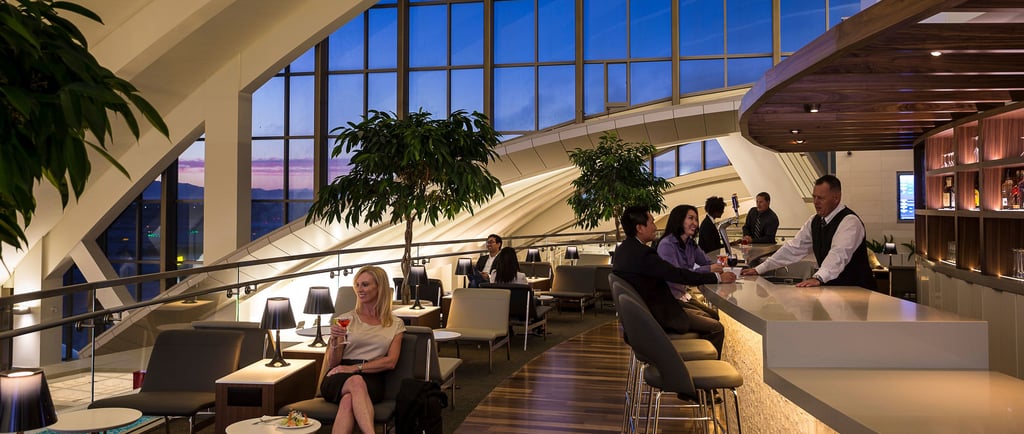
Nowadays, airport lounges mean much more than exclusive waiting areas reserved for selected people. They have become symbols of privilege and social standing, signaling a certain level of eligibility. This raises an obvious question: what makes people willing to spend so much to enter these spaces? Is it simply a desire to show off, or do the lounges genuinely provide an experience worth paying for?
The first airport lounge opened in 1939, when American Airlines launched the Admirals Club at New York’s LaGuardia Airport. It began as a private, invitation-only club whose members were known as admirals. There were no membership fees, and guests enjoyed free drinks and even kept their own bottles at the bar for future visits.
As demand grew, American Airlines introduced a new system that allowed passengers to pay for access. The airline offered annual memberships for a modest fee and lifetime memberships for a higher one. After the Second World War, commercial aviation expanded rapidly and lounges quickly became popular in major cities around the world.
For many years, these spaces were seen mainly as quiet working environments for business travelers who wanted time away from the noise. This perception began to shift in the early 2010s. Delta Airlines played an important role in this change by upgrading its lounges and presenting them as premium environments with a wider range of high-quality food, drinks and service. Afterwards, credit card companies like Capital One, Chase and American Express invested heavily in their own branded lounges that promised comfort and a curated travel experience. The American Express lounge at JFK became the first lounge operated by a credit-card issuer.
Prestigious brands have continued to invest in these spaces because they see them as a way to build loyalty among their most valuable customers. Frequent travellers, in return, are increasingly willing to pay more in order to spend time in lounges that offer a calmer and more refined atmosphere.
However, the growing demand has created new challenges. Lounges that were initially exclusive have become crowded, and some passengers now feel that the experience is no longer as special as it once was. In response, many operators have introduced time limits, higher fees or even smaller, more exclusive areas within the main lounge.
The services provided today go far beyond what was once offered. Some lounges feature private bedrooms, swimming pools, gourmet menus created by Michelin-level chefs and private transportation directly to the aircraft. These additions show how far airport lounges have evolved from their simple beginnings.