
Watches & Wonders 2026: less noise, more meaning
WATCHES & JEWELLERY
Magali Donegani
5/4/20262 min read
Geneva always delivers in April, but this year felt a bit different. Less about big statements, more about clarity. It asked you to pay attention. And if you did, there was a lot going on beneath the surface.
Rolex built its entire narrative around the Oyster’s 100th anniversary. The new Oyster Perpetual is probably the most talked-about piece: a lacquered, multicolour dial with a repeated Rolex monogram. Some loved the playfulness, others felt it too graphical, almost childish. Either way, it’s one of those watches you instantly have an opinion on.
The real watch for collectors, though, is the new Cosmograph Daytona in Rolesium. Steel and platinum, white enamel dial, and, most importantly, a new ceramic Cerachrom bezel with a sharper tachymeter scale. It’s not a revolution, but it’s a meaningful evolution of one of the most important chronographs ever made.
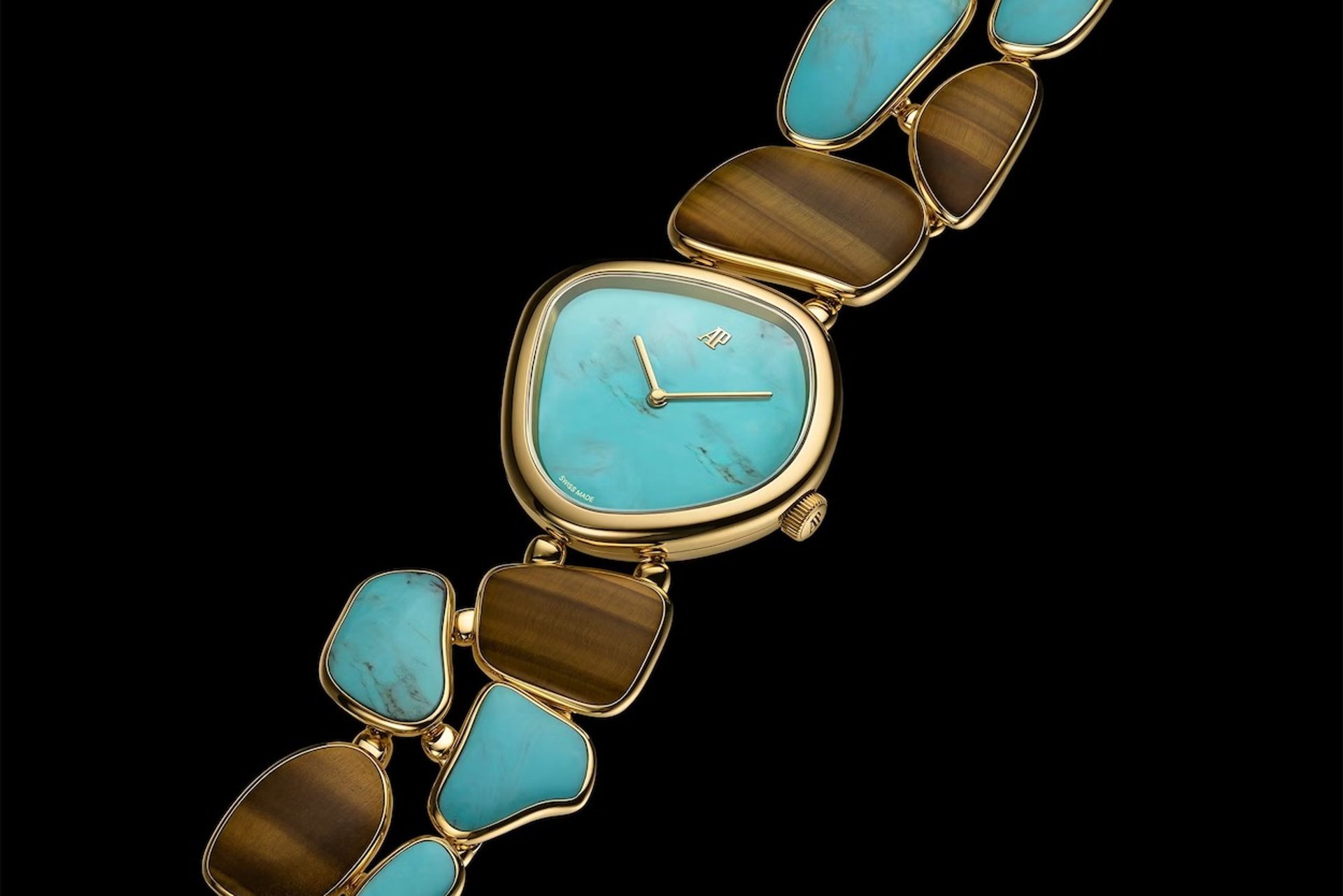
One of the most talked-about moments was Audemars Piguet returning to Watches & Wonders. It’s been a while, and, with the recent change of CEO hence strategy, having them back alongside the rest of the industry just felt right. The booth itself was a series of immersive, carefully designed rooms, each with its own atmosphere, almost like walking through chapters of the brand’s identity rather than a traditional showroom. Beyond the symbolism, the tone was clear: less hype Royal Oak, more emphasis on finishing, métiers d’art, and complicated pieces.
Patek Philippe stood out for substance. Beyond the Nautilus anniversary noise, the real highlight was the Celestial 6105G featuring for the first time on a wristwatch the specific astronomical indications of sunrise and sunset, reinforcing Patek’s lead in high-end, poetic complications. Quietly, but convincingly, one of the strongest lineups of the show.
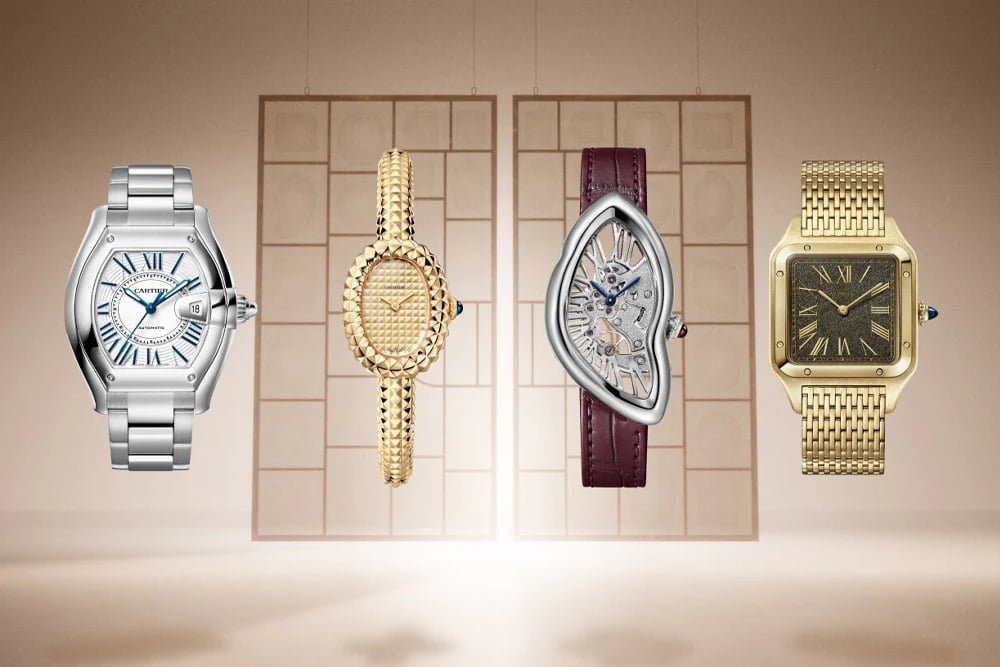
Then there’s Cartier, which continues to build real momentum. The design language is incredibly strong right now, and more importantly, consistent. Between the return of the Roadster and the ongoing success of the Privé collection, Cartier keeps proving that a watch doesn’t need to be complicated to feel relevant. It’s a different kind of confidence: one built on shape, proportion, and identity rather than technical escalation.
On the other end of the spectrum, Vacheron Constantin took a more refined approach, focusing on precision, wearability, and mechanical elegance rather than sheer excess. The ultra-thin Overseas pushes technical mastery through miniaturization, delivering an exceptionally slender profile without compromising performance, while the Dual Time leans into functionality with travel-ready complications, lightweight titanium construction, and a more contemporary design language. The Tourbillon Skeleton, meanwhile, brings the focus to transparency and finishing, pairing an openworked ultra-thin movement with a striking tourbillon in a wearable titanium case. Rather than chasing record-breaking complexity, Vacheron Constantin demonstrates how far traditional watchmaking can evolve through restraint, precision, and thoughtful engineering.
Outside the big names, there was a lot to enjoy:
TAG Heuer brought some freshness with colorful, solar-powered pieces that are easy to like.
H. Moser & Cie. kept doing what it does best: clean, bold minimalism with just enough edge to stand out. And they potentially had the most different and artistic tote bag of this edition.
If there’s one takeaway from this year, it’s this: not everything needs to be a headline.