
The Era of Members Clubs – Will This Trend Reach Milan, or Has It Already?
LIFESTYLE
Lucy Cavallo
4/9/20263 min read
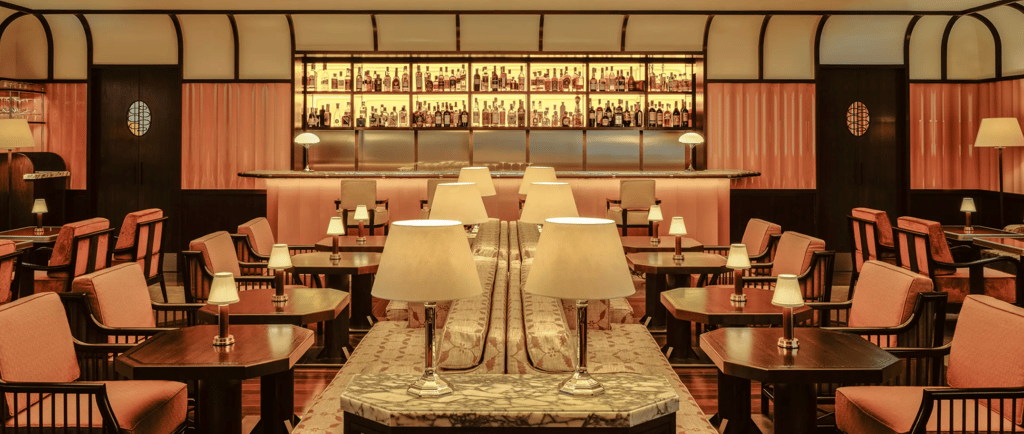
In today’s world, which is becoming more and more defined by digital noise and hyper-connectivity, the demand for exclusive spaces offering an escape is increasing. Members-only clubs were once seen as the fading domain of aristocrats and old money, but this trend is growing again as demand shifts from consumption to experience-driven luxury. Will Milan be the next big city to take on this trend, or has it already?
A Legacy Reimagined
To understand the trend, let us take a look back. The roots of members clubs trace to 18th-century London, originating from coffee houses. These were public spaces where men gathered to discuss politics, business and culture. Over time exclusive groups started to form wanting more privacy and a confined social environment. This led to the creation of the first gentlemen's clubs which were only for the British elite. The membership was very selective and based on class, connections and political alignment.
These institutions were defined not just by who they excluded but by the specific worlds they created for those on the inside. Today’s members’ clubs echo that spirit, but with a different approach.
The Cultural Boom
The modern revival of members’ clubs began with Soho House founded in London in 1995. This new generation of clubs differentiates itself from the old model by focusing on creative professionals and entrepreneurs instead of aristocracy and by emphasizing design, culture and lifestyle. Thereby, spaces become more relaxed, blending work, social life and events.
Due to the pandemic, there was a further increase in demand for such spaces. This was driven, first of all, by the disappearance of traditional “third places,” where people used to gather outside of work and home. Secondly, the shift to remote work left many seeking more meaningful environments to unwind, while still craving real social connection and a sense of community.
Another key reason for the growing appeal of members’ clubs is that privacy is becoming harder to maintain because of social media and constant connectivity. Even in big cities like New York, private moments can quickly become public. For this reason, members’ clubs are attractive since they often have a no-photo rule and create a controlled environment which gives people a sense of privacy and control, making them especially attractive to individuals who value confidentiality in both their personal and professional lives. Furthermore, the shift in luxury values has contributed to the growth of this trend. Luxury is no longer just about owning things. Instead, many people are becoming more interested in experiences and lifestyle. Members’ clubs offer access to a certain atmosphere, network, and way of living.
The membership model works well for both sides. For guests, it means exclusivity, comfort, and access to quieter, well-curated spaces, especially during busy event weeks. It also gives them a sense of security and brings together like-minded people. For venues, it ensures a loyal customer base, reduces no-shows, and allows for better planning.
Icons of the Movement
The modern members’ club scene has its own well-known brands. Soho House is the most iconic example. It has over 180,000 members across more than 40 locations worldwide, from London to Mumbai. However, the rapid growth of members’ clubs hasn’t been without challenges. Soho House announced that it would pause new memberships in cities like Los Angeles, New York, and London due to the spaces becoming too crowded. This shows us one of the key tensions: growth versus exclusivity.
In New York, Core Club redefines what a members’ club can be by offering not just networking and events, but a philosophy of self-improvement and cultural engagement.
The wave reached Milan
So where does Milan stand in this evolving narrative? The answer is: it is already deep in the game.
Well-known clubs like Wilde, Core and Casa Cipriani show that Milan has already taken on the trend. But Milan's version is different. The concept of private members’ clubs is not just being imported, but it is being adapted to fit the city’s character. And the appetite is growing.
Social media, viral aesthetics, and a new wave of residents are transforming Milan. These newcomers: wealthy expats, international professionals, and globally minded Italians are bringing fresh expectations and needs. For them, a members’ club isn’t outdated or exclusive in the old-fashioned sense. It’s a way to connect with like-minded people, access a certain lifestyle, and feel part of a community.
According to a report by global investment migration firm Henley & Partners, Milan now ranks third in Europe for the number of high-net-worth individuals. The figures are striking: Milan is home to 115,000 millionaires and 17 billionaires. That surge in high-net-worth residents is already changing the city. The new clubs in Milan aren’t just trendy but they’re answering a real demand. For many, these places are the “third spaces” they’ve been looking for: not home, not work, but somewhere meaningful in between.
Looking Ahead
The prognosis for Milan’s members’ club scene is bright. With many members’ club already successful in the city, further growth is easily foreseeable. Unlike other cities where clubs can feel exclusionary or artificial, Milan’s deeply rooted café culture, artistic sensibility, and emphasis on craftsmanship make it an ideal place for members’ clubs.