

Milano-Cortina: Luxury meets the Olympics
Beyond the Podium: Discovering the most exclusive side of the Winter Games, from five-star chalets to bespoke services
LIFESTYLE
Sofia Campi
4/13/20262 min read
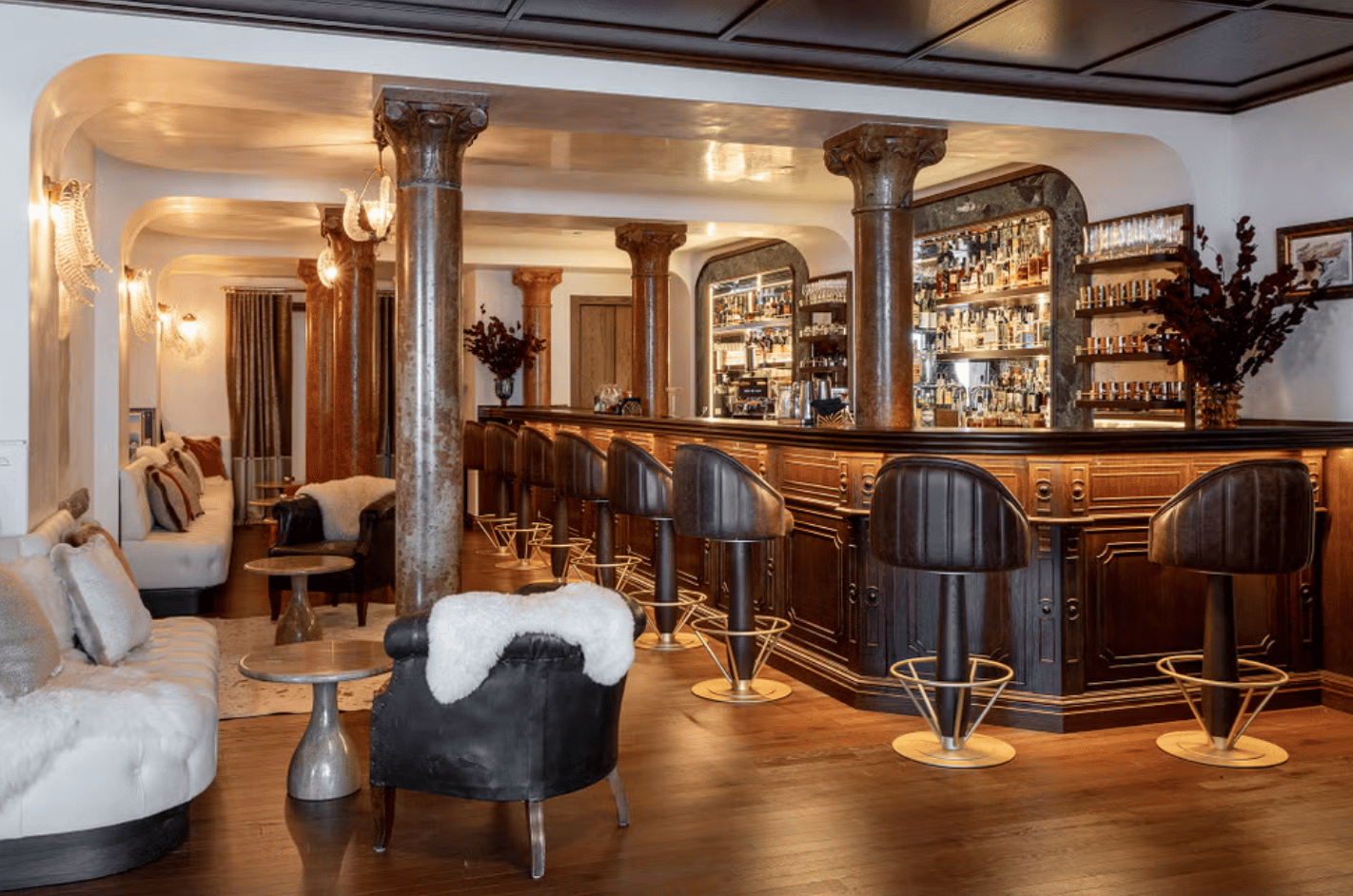
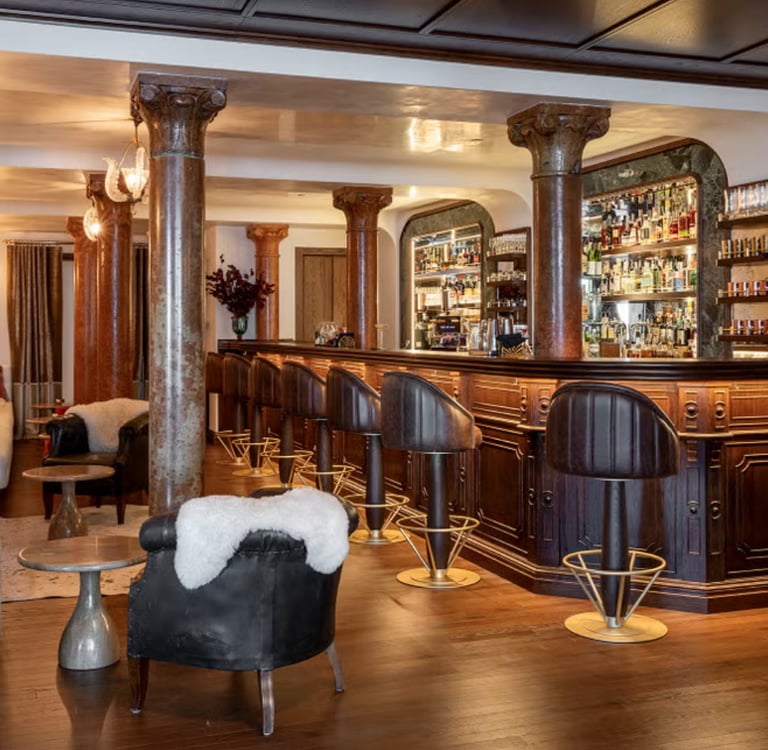
The recently celebrated Milan-Cortina 2026 Games have demonstrated that sport possesses a profound luxury dimension.
Beyond the physical activity, sport involves much more: it creates emotions, fosters competition and weaves incredible narratives, offering a holistic, “360-degree” human experience.
For global spectators, witnessing the Games was not just a sporting pilgrimage, but an invitation to taste the essence of Italian Alpin and urban luxury.
To truly experience the Olympics in style, one must begin in Milan, where the urban luxury of Rocco Forte House and Maison Senato sets the tone.
The former, located in a strategic position, blends avantgarde design with Milanese traditions, proving that, after the adrenaline of the Ice Skating Arena or Santagiulia Ice Hockey Arena, a luxurious recovery is an integral part of the Olympic journey.
The latter, perfectly embedded in the city’s cultural and fashion heart, redefined the concept of luxury stay. Guests are welcomed by an extraordinary sculpture by Tony Cragg, finding privacy in an environment where every detail is curated: a true locus amoenus of aesthetic delight.
As the focus shifts toward Cortina, alpine sanctuaries like Forestis Dolomites and Ancora Cortina emerge as the definitive retreats for experiencing the heights of Olympic luxury.
The Forestis Dolomites Hotel, with a design that emphasizes natural materials, wood, and stone, embraces the spirit of the Alps. It offers unrivalled panoramic views of the UNESCO-listed Dolomites and direct access to the slopes, acting as a serene refuge for those seeking a connection with the landscape.
Ancora Cortina has become an icon of the Ampezzo valley thanks to its famous terrace that blends alpine elegance with the atmosphere of historic Viennese cafés. Here, the culinary experience is paramount: enjoying a slice of Sachertorte becomes a ritual to recharge one’s energy after a long day of cheering on athletes.
It is often said that to truly understand Cortina, one must enter its private homes. The town’s identity is beautifully ambivalent: highly exposed due to world’s cameras, yet deeply rooted in a hidden history of craftsmanship and family hospitality. Every house is a microcosm where the décor is not mere scenography, but a biography.
For decades, writers, artists, intellectuals and e celebrities have sought refuge here: Ernest Hemingway, a regular at the Hotel de la Poste, is an example. In Cortina, architecture doesn’t just stand, it dialogues with the mountains.
Throughout the Games, spectators and athletes alike were surrounded by a beauty that transcends the podium. Luxury, whether bold or whispered, is an unconscious part of this experience. It is found in the harmony between the thrill of the sport and the timeless majesty of the landscape, a lifestyle legacy that has become central to the identity of both the city and the peaks.