

“Buy Less Clothing, Go to the Gym Instead”
LIFESTYLE
Manon Fillon-Ashida
4/6/20263 min read
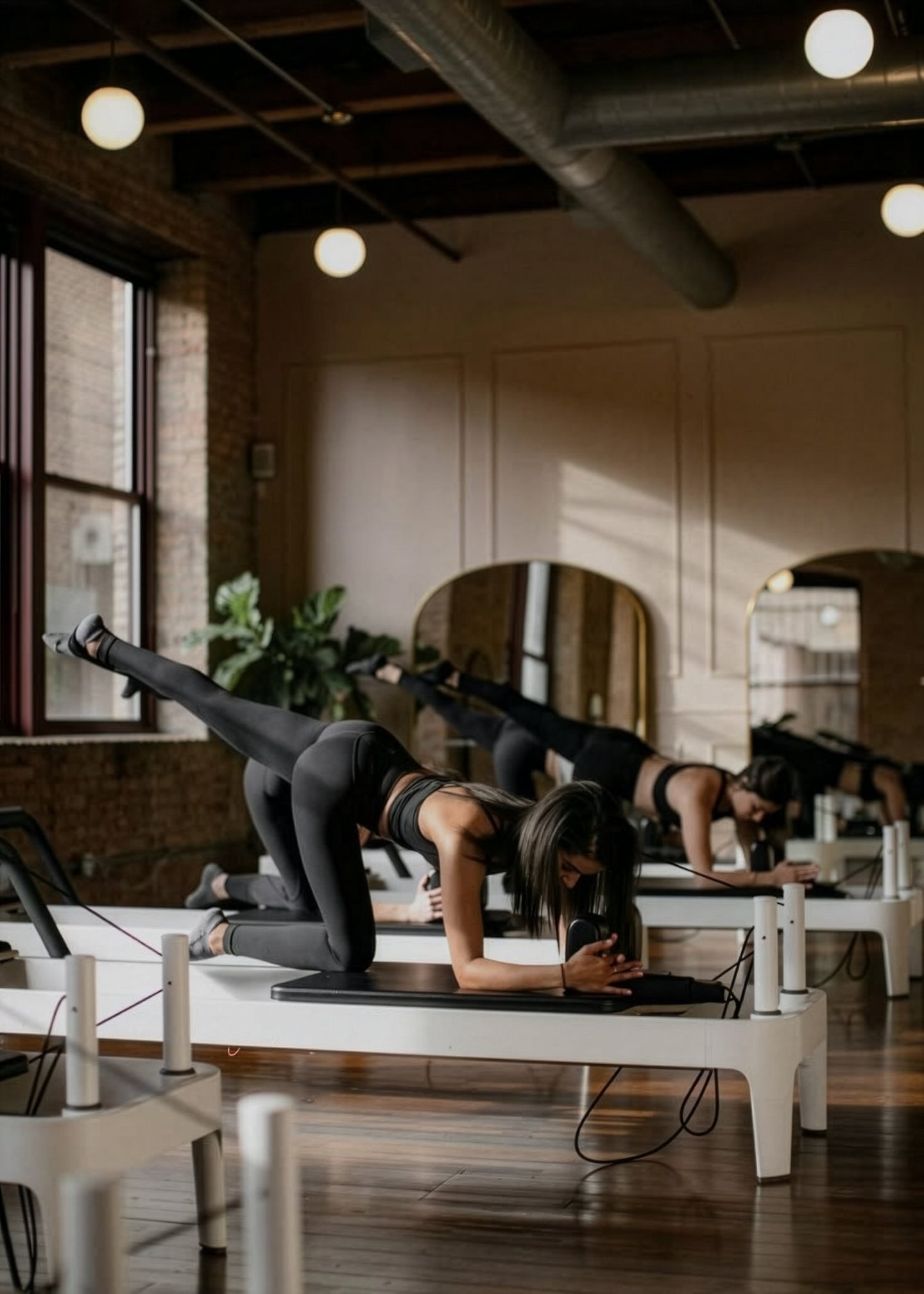
In a recent episode of the Fashion Neurosis podcast, Rick Owens delivered what would become one of the most circulated quotes in wellness culture: “Working out is modern couture. No outfit is going to make you look or feel as good as having a fit body. Buy less clothing, go to the gym instead.” Though the quote was widely misinterpreted as Owens was speaking to his own complex relationship with body image, its viral resonance said something far more telling of a cultural shift in which personal health has become the ultimate luxury investment.
Luxury clothing has never been more accessible. The democratization of fashion — through collaborations, the resale market, and the proliferation of “fast luxury” — has steadily eroded the exclusivity that once defined a curated wardrobe. In that same episode, Owens states, “Changing your body is so much more hardcore [than changing your clothes].” For the ultra-wealthy, the rules of distinction have moved on. When a logo bag can be replicated or rented, and a statement coat sourced by anyone with an internet connection, lifestyle becomes the new frontier of distinction. Not everyone, after all, can afford four private Pilates sessions a week.
This is the new “Healthy and Wealthy” generation, for whom an Alo set socially signals more than a new designer bag, marks an interesting shift in status that is less about what you own and more about how you move through your everyday life.
And yet, the appetite for elevated wellness is anything but niche. Reformer studios are flourishing in every major city, watches are now replaced by Whoops, and a week does not pass without a new running club and matcha collaboration gracing our Instagram feeds. And most importantly, your studio membership has become the defining marker of social currency. The numbers confirm what the aesthetic already suggests. A McKinsey report projects the global sports market to reach $548 billion by 2029.
But is this a fleeting cultural moment, or something more enduring? One might recall the 1960s yoga boom in the West, which stemmed from a pursuit of a more fulfilling life. To understand where this is heading, we turned to Chiara Ghesini, founder of one of Milan’s most sought-after studios, HY Sweat Studio.
Chiara opened HY Sweat Studio in Brera in 2024, followed by a second studio in Gustalla the following year. In New York, she fell in love with the per-class booking model as its flexibility perfectly attuned to the rhythms of a demanding professional life. She brought that concept back to Milan alongside something entirely new to the city, hot yoga. As the first studio of its kind in Milan, she has watched the city’s wellness landscape transform dramatically over just two years, with studios multiplying across its neighborhoods.
But what sets HY Sweat Studio apart is its philosophy as much as its practice. Classes are intentionally intimate, capped at seven, and led by international teachers who bring a distinct energy to the space. The experience is designed to be immersive, where the city’s relentless pace cannot follow you in. This, Chiara explains, is precisely the appeal that is closely aligned with another reflection from Rick Owens: “Working out has become a combo of discipline, joyous release, meditation, and vanity. It gives me a break in the day to absorb and formulate ideas.” That sentiment encapsulates why studio culture has taken such firm hold — it offers something increasingly rare: permission to be fully present and take a break from your stressful daily life.
Regarding sustainability, Chiara is optimistic. She does not see the wellness turn as a passing trend, though its expressions will inevitably evolve. Reformer Pilates dominates the conversation for now, but Lagree is gaining ground, and London is already signaling a pivot toward strength training. She is watchful of studios losing the thread, for instance, a Parisian concept where clients sit alone in a sauna working out through a program projected on a television. The studios that will endure, she believes, are those that deepen their bond with clients while continuing to innovate and diversify their offering. Inspired by what she witnessed in Los Angeles, Chiara sees a generation beginning to weave wellness into the very fabric of their daily routine, and she is thrilled to watch that transformation arrive in Italy.