
Beyond the object: Luxury's second life in Art
FINE ARTS
Charlotte Blackburn
5/2/20262 min read
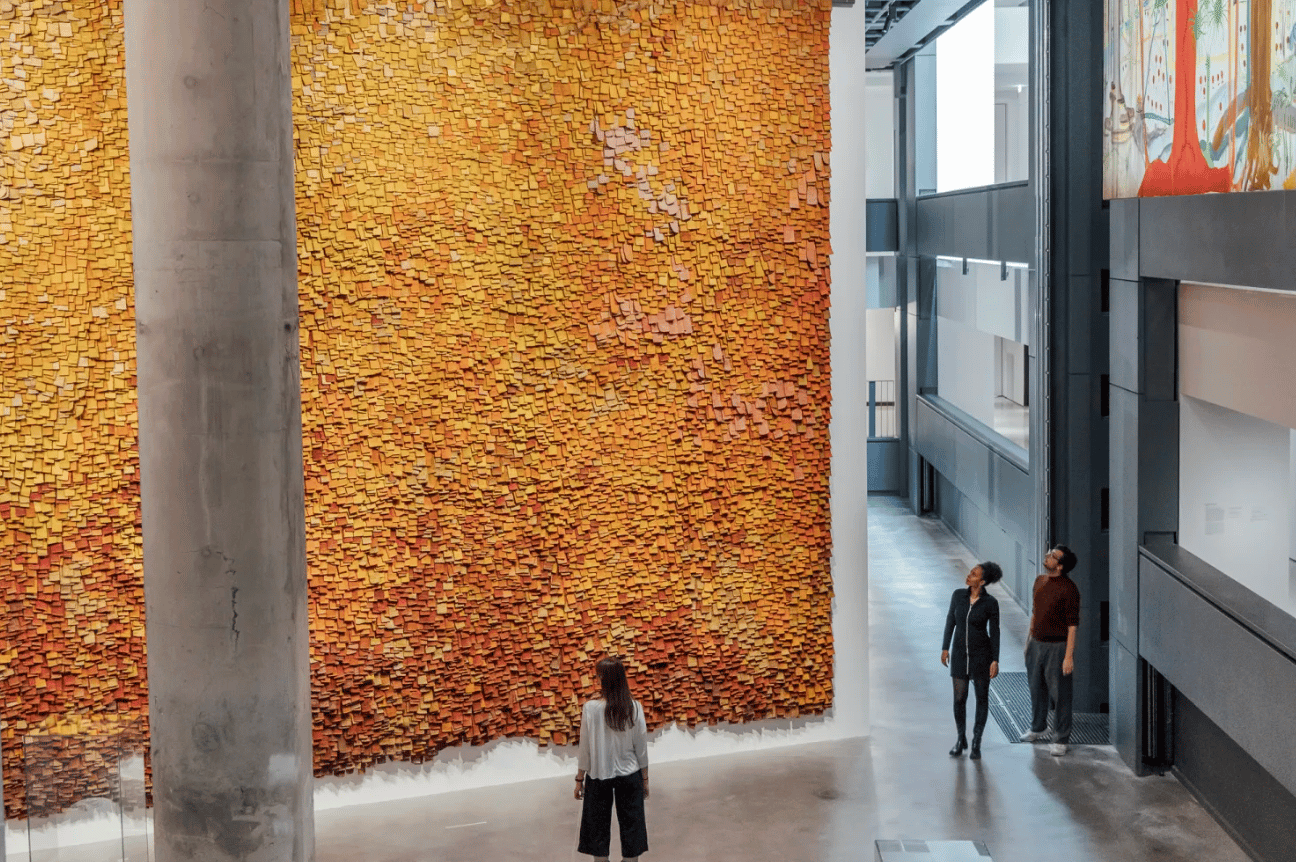
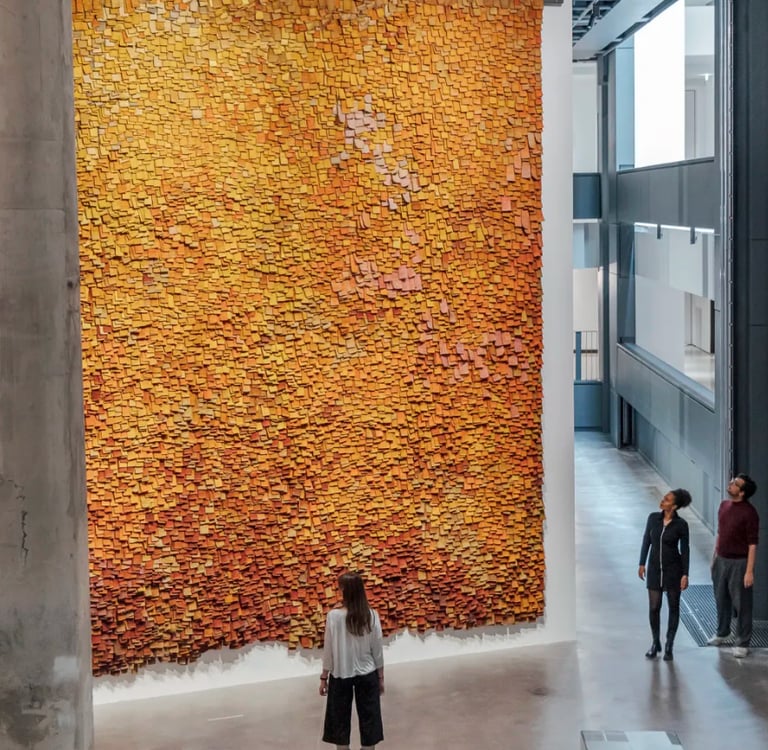
Walking into a Cartier exhibition and you find no jewels. Absolutely no diamonds, no traditional red velvet cases, no watches. Only art. Seems strange, doesn’t it ? That is what Fondation Cartier pour l’Art Contemporain has been trying to challenge. It was the first luxury brand to decide to inject its own money into contemporary art, nine years before the Fondazione Prada in Milan and 30 years before the Fondation Louis Vuitton opened its Frank Gehry designed building on the outskirts of Paris. This raises the question: what does fine art have to do with luxury?
At their core, luxury and fine art share the same DNA since they both focus on rarity, vision and a relationship with craft. When Cartier established its foundation in 1984, it attempted to make a radical bet, having no legal framework to operate within and by financing its first exhibitions directly from the maison’s advertising budget. Eventually, the French state caught up, and the Foundation became a pioneer that others would follow. The Fondation Cartier didn’t want to promote its own brand, didn’t display its jewelry, its brand colors, it simply funded arts that had nothing to do with it. It gave a platform to artists who challenged convention, through temporary exhibitions, residencies and long term curatorial relationships built over decades. Nonetheless, it does maintain a permanent collection, publishes books, produces films, and builds long-term partnerships with major cultural institutions.
Nowadays, its current co-exhibition with the Triennale di Milano, Italy’s flagship design and contemporary art institution, is the most representative feature of the Fondation’s work. Jointly curated, co-published, and built on years of shared institutional history, the Triennale bringing its archives and the Fondation its collection, it runs until October 2026. This shows a genuine meeting of institutions coming together to honour the world-renowned architect, designer and theoretician Andrea Branzi.
Indeed, this is what separates patronage from sponsorship. Sponsorship buys visibility whilst patronage builds legacy. When a luxury house associates itself with independent art for 40 years without any commercial strings attached, it builds a vision for itself, of a house with genuine taste and cultural depth, becoming part of the brand’s identity which is almost impossible to replicate. It signals that the brand has a point of view on the world in which it stands for something beyond the objects it sells. In a market where the intangible increasingly drives value, that is an extraordinarily powerful position.
Milan is perhaps the best city in the world to observe this phenomenon in real time. Surrounded by institutions where this relationship between luxury and art plays out daily, the Triennale, Armani/Silos and the Fondazione Prada. It is living proof of what genuine cultural commitment looks like. Which is why walking through an exhibition that bears a jeweler’s name but contains not a single jewel, you begin to understand why a foundation's place in the arts is essential.
Sources: