
Athens Rising: The New Cultural Renaissance in Greece
FINE ARTS
Angeliki Ioannidou
11/19/20253 min read
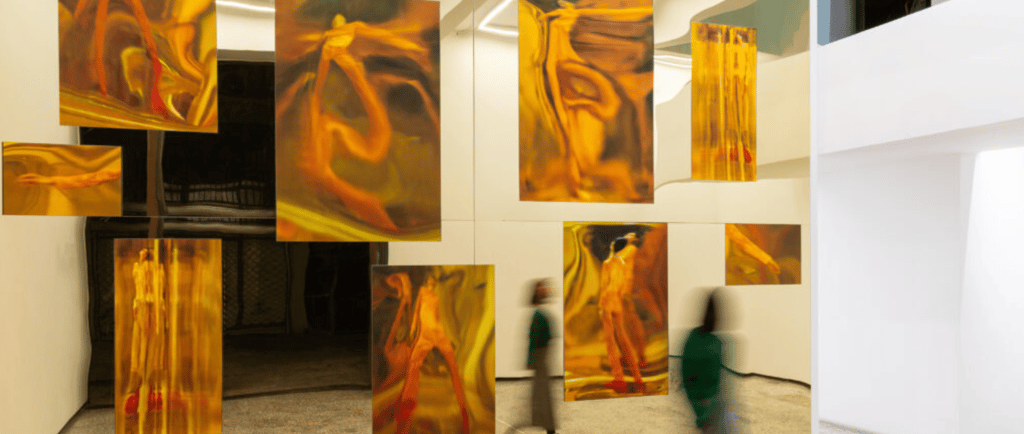
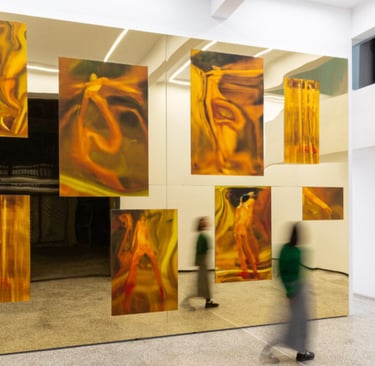
Athens is undergoing a remarkable transformation. Long defined by its classical legacy, the city has quietly evolved into one of Europe’s most compelling cultural capitals. This shift is not a matter of trend, but of reinvention. In the last decade, contemporary art, architecture, and design have re-emerged as central forces in shaping a new Athenian identity that balances historical depth with creative modernity.
The foundations of this change are anchored in a network of visionary institutions and patrons who reimagine culture as a shared civic experience. The Stavros Niarchos Foundation Cultural Center, designed by Renzo Piano, stands as the most visible symbol of this renewal. Its architecture fuses openness, sustainability, and accessibility, reflecting a broader desire to democratize culture. Similarly, the NEON Foundation has redefined how art engages with public space. Through installations in the National Observatory, the Temple of Hephaestus, and the Cycladic Museum, NEON has expanded the notion of where art belongs and whom it addresses.
Private foundations such as DESTE and the Onassis Foundation further strengthen this ecosystem. Their curatorial programs showcase experimental works while maintaining dialogue with Greece’s philosophical and aesthetic heritage. The DESTE Foundation uses unconventional venues, from a converted slaughterhouse in the island of Hydra to industrial spaces in Athens, to echo the Greek notion of metamorphosis, the continuous renewal of form and meaning. The Onassis Stegi, the cultural arm of the Onassis Foundation, has works that address different themes and contemporary issues that trace back to ancient civic and philosophical debates. The Benaki Museum has also embraced a contemporary orientation, integrating design, photography, and architecture into its collections and partnerships. Together, these institutions have positioned Athens as a hub where cultural production is not isolated but interwoven with civic life.
Parallel to these institutional developments, the city’s gallery scene has flourished. Neighborhoods like Kolonaki and Pangrati host dynamic spaces such as The Breeder, Kalfayan Galleries, Carwan Gallery, and Hot Wheels Athens. These galleries feature both local and international talent, creating a dialogue between Greek craftsmanship and global conceptualism. The new generation of collectors, curators, and artists operates with cosmopolitan awareness while maintaining a distinctly Mediterranean sensibility. Their approach to luxury is understated yet intentional, rooted in authenticity, material integrity, and intellectual depth.
Architecture, too, reflects this evolving aesthetic. Contemporary studios such as K-Studio, Block722, and Divercity are redefining Greek modernism through organic materials, restrained geometry, and sensitivity to light. Their projects, from seaside residences to urban cultural spaces, reinterpret the timeless relationship between structure and landscape. Adaptive reuse has become a defining trend, with industrial buildings and neoclassical homes transformed into galleries, creative hubs, and design ateliers. The result is a cityscape where old and new coexist with deliberate harmony, expressing a uniquely Athenian form of continuity.
Athens’s international profile has grown through global initiatives such as Documenta 14, which catalyzed the city’s re-entry into the contemporary art conversation. Since then, residencies, design fairs, and cross-disciplinary collaborations have multiplied, drawing curators, architects, and collectors from across Europe. Equally influential is the Greek diaspora, whose return or sustained engagement with the local scene enriches the dialogue between Athens and other cultural centers such as London, Paris, and New York.
What makes this renaissance distinctive is its definition of luxury. Rather than grandeur or exclusivity, Athenian luxury lies in authenticity, in the encounter between ancient stone and new ideas, between craftsmanship and conceptual vision. The city’s creative energy feels grounded yet ambitious, deeply local yet outward-looking. It acknowledges that culture is not merely heritage to be preserved but a living resource to be reimagined.
Athens, once burdened by its past, now draws strength from it. Its art foundations, galleries, and architects collectively redefine how a capital can express cultural sophistication: not through spectacle, but through sincerity. This renaissance is neither nostalgic nor purely avant-garde, it is reflective, luminous, and human. In this new era, Athens stands not only as the guardian of history but as an active architect of the future of art and design.
Even so, the shift marks a cultural expansion worth noting. Museums remain guardians of depth, history, and scholarship, but they no longer hold exclusive authority over how art is encountered. Today, we move through spaces shaped not only by architecture and function, but by intention, by the quiet insistence that beauty, reflection, and meaning belong not only to designated rooms but to the rhythm of daily life.