

A New Era of Luxury Travel: The Four Seasons I
CARS & TRANSPORT
Martina Davoli
4/13/20262 min read
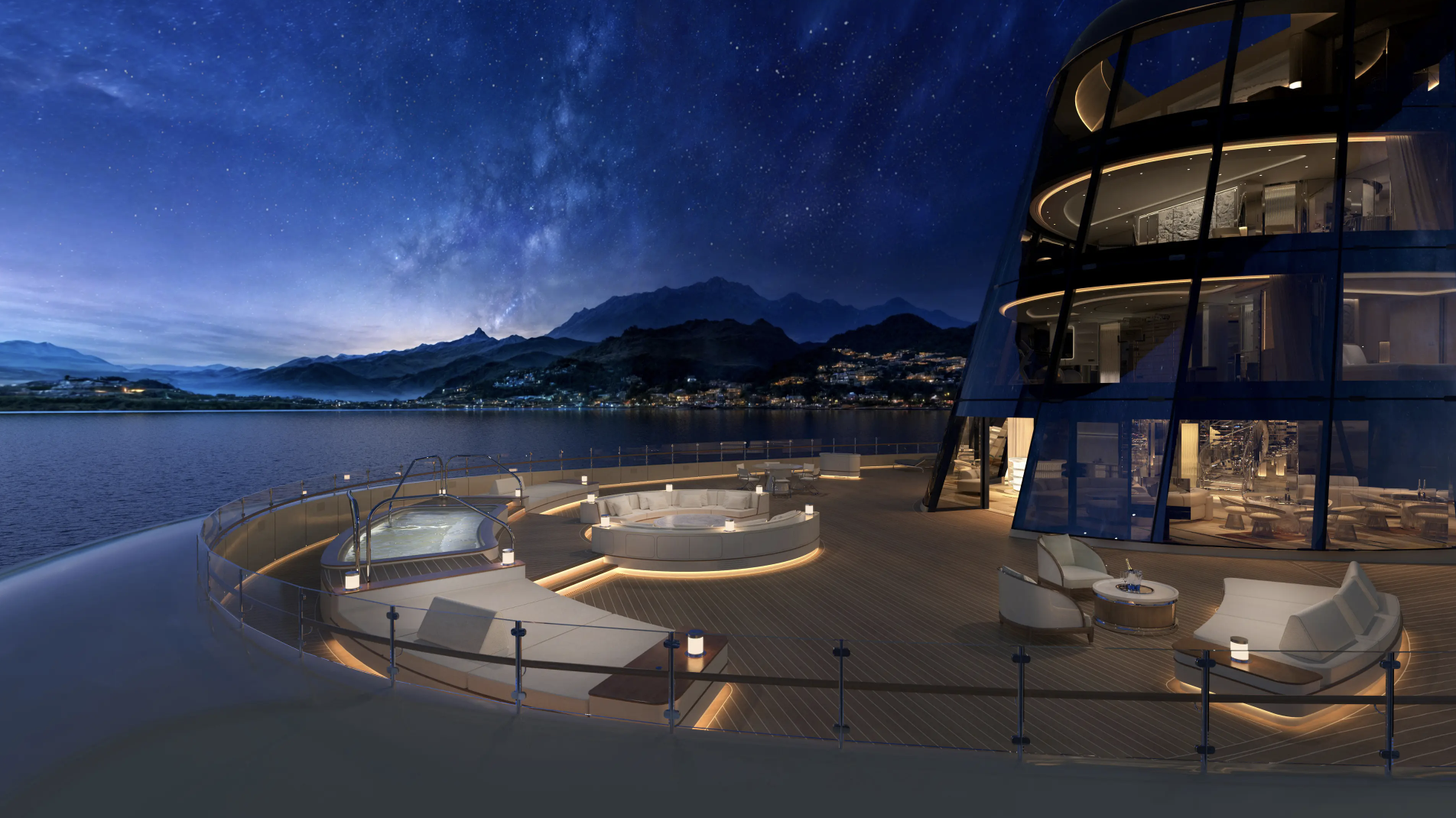
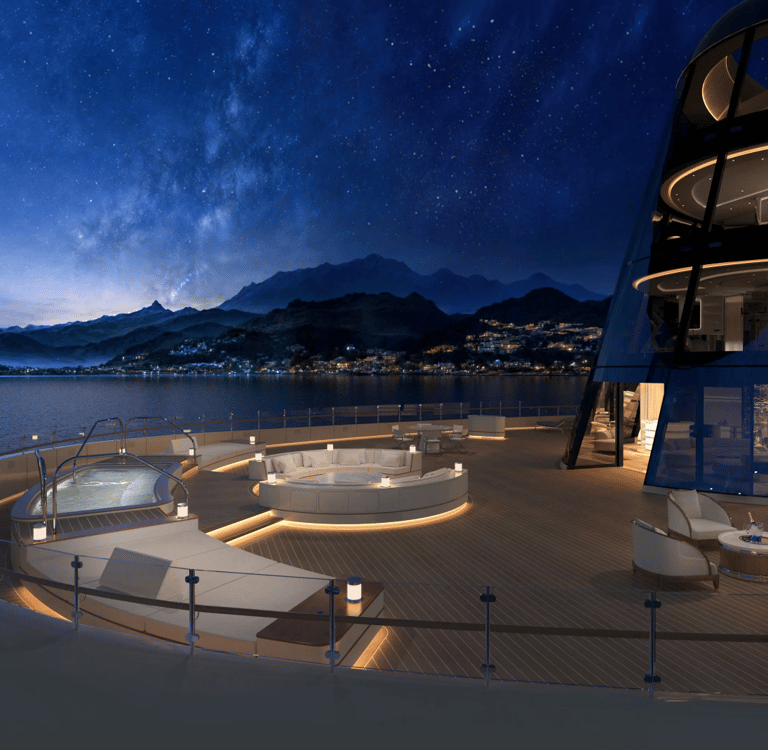
The launch of Four Seasons I in March 2026 marks a decisive shift in the evolution of ultra-luxury travel. Rather than simply entering the cruise market, Four Seasons is effectively redefining it, translating its hotel DNA into what can best be described as a “yacht hotel”.
This represents a strategic extension of one of the most iconic hospitality brands in the world, designed to bring the Four Seasons experience beyond land into a fully immersive maritime environment.
What makes Four Seasons I particularly compelling is its positioning. It does not compete directly with traditional cruise ships, nor does it fully belong to the private yacht segment. Instead, it occupies a hybrid space: a floating boutique hotel with the scale and design of a superyacht.
With just 95 suites and an estimated capacity of around 190 guests, the vessel is intentionally intimate. This limited capacity is not a constraint, but a core element of its value proposition: privacy, exclusivity, and personalization. A nearly 1:1 guest-to-staff ratio reinforces this philosophy, bringing the level of service closer to that of a private residence.
Unlike conventional cruise ships, Four Seasons I has been conceived as a residential-style vessel. The suites are designed to feel like private apartments rather than cabins, featuring expansive layouts, floor-to-ceiling windows, and large terraces, many of which include private plunge pools.
The design language draws inspiration from the golden age of yachting, referencing iconic vessels such as Aristotle Onassis’ “Christina O”, while integrating contemporary luxury aesthetics and advanced technology. The result is a refined balance between nostalgia and modernity, a recurring theme in today’s luxury design landscape.
On board, the offering reflects that of a flagship hotel:
• multi-concept fine dining, often curated by Michelin-starred chefs
• wellness spaces, including spa and fitness programs aligned with modern luxury lifestyles
• curated cultural and gastronomic experiences both on board and ashore
At sea, the yacht itself becomes a destination. Features such as a floating marina with direct ocean access transform the vessel into a private beach club, blurring the line between transportation and experience. On land, itineraries are designed to avoid mass tourism, focusing instead on exclusive ports and tailored experiences typically associated with private yachting.
The routes further reinforce the yacht’s hybrid identity. During summer, Four Seasons I sails across the Mediterranean, covering destinations such as the Greek islands, the French Riviera, and the Dalmatian coast, before relocating to the Caribbean and the Bahamas in winter.
This seasonal mobility highlights a key advantage: the ability to relocate the “hotel” itself, following demand and climate while maintaining consistent brand standards.
It represents one of the most ambitious expansions in Four Seasons’ history, extending a brand rooted in land-based hospitality into a new, high-growth segment.
At the same time, it places Four Seasons within an emerging competitive arena, alongside players such as Ritz-Carlton Yachts and the upcoming Orient Express sailing projects.
However, Four Seasons’ approach remains distinctive: rather than adapting existing cruise models, it imports the logic of ultra-luxury hotels into the maritime space.